
Museum Studies Concentration
Become a Public History Professional at UNCG!
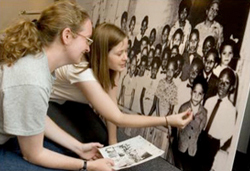
Students in our program build a broad and powerful skill set as public historians. We start from the premise that the core skills of the historian—gathering and reading evidence, analyzing, and writing writing—are powerful, transferable skills that will serve you well in any part of the public history field. That’s why students get a Master’s in history with a concentration in Museum Studies.
The Museum Studies concentration offers a broad-based training in how to build relationships between history and public audiences, focusing on the theory and practice of telling stories through museums, historic sites, and other cultural institutions. It introduces students to the tools that public historians use; examines contemporary models for how best to reach audiences in ways that make history meaningful; and offers concrete experience in the development of public projects, collaboration, and leadership. Students engage in re-thinking how the professional practices of collecting, preserving, and interpreting the past are changing in the 21st century.
If you concentrate in Museum Studies within History, you could work at a museum, historic site, or other public history venue as:
- Curator
- Educator
- Exhibit developer/planner
- Collections manager
- Director/administrator
- Media developer (web sites, radio documentaries, video)
- Marketing/public relations director
Who we Are

Training Historians with a Public Outlook
Our program brings together the craft of the historian and the theory and skills of public practice. Students hone the skills of the discipline—posing questions, interrogating evidence, building interpretations, writing assertively—and learn how to apply them in public settings for a wide range of audiences. The program also trains students to conduct oral interviews, interpret images and documentary evidence, deploy digital tools, “read” material culture, decode buildings and landscapes, and analyze how citizens use history in their daily lives.
Practical Experience
Just theorizing about how to reach communities isn’t enough. Every semester the students complete projects, start-to-finish, that make a difference in our region—opening a museum exhibit, documenting overlooked communities through oral history, creating tours of historic neighborhoods, organizing the collections of an understaffed local museum, designing interactive websites, and helping a Main Street get on the national register. See “ Featured Projects” for some of our recent work.
Community Connection
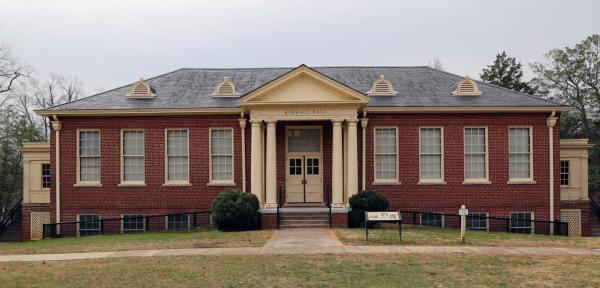
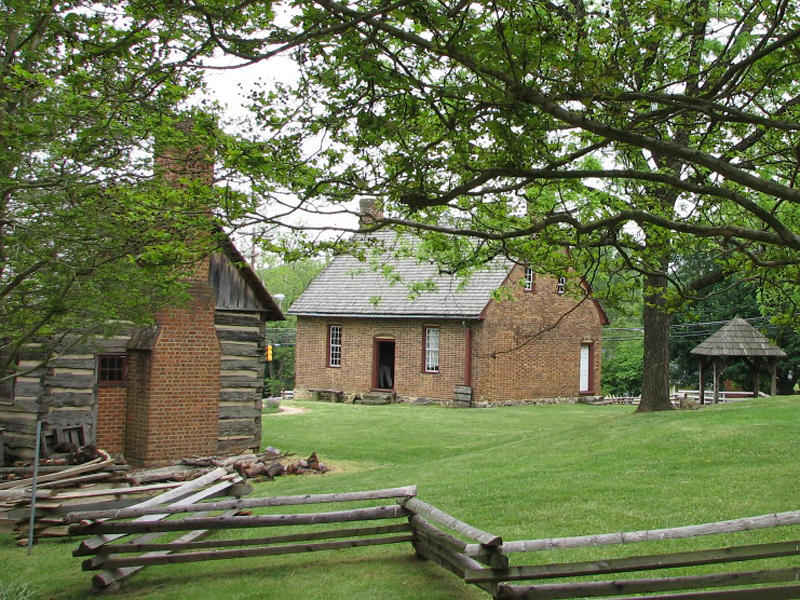
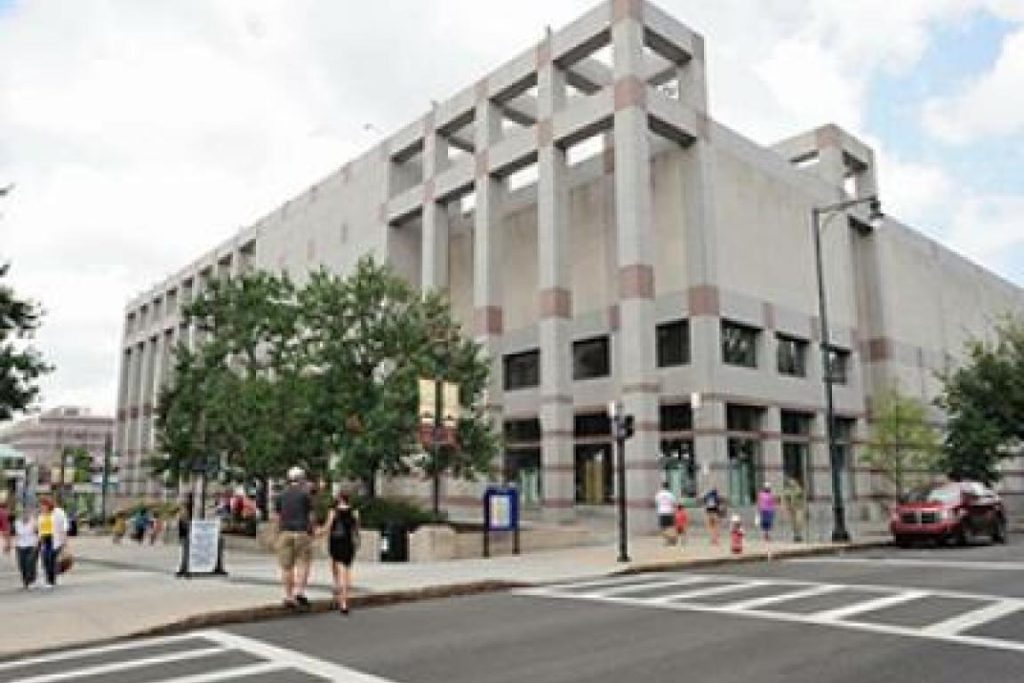
UNCG’s program serves as a significant resource for the region. Through public programs, classroom projects, and internships, we have built ongoing relationships with area history organizations—from the International Civil Rights Center and Museum to Old Salem and more.







Faculty Involvement
Participation from a range of faculty gives our program breadth. We put a premium on good teaching, and faculty members go out of their way to make themselves available and accessible to our students.
Anne Parsons, Ph.D.
Associate Professor, Director of Public History
I teach and create historical projects in ways that engage people with the world around them and that serve the greater good of the community. I work in both academic and public history settings, where I explore modern U.S. History, the history of confinement and LGBT history.
Lisa Tolbert, Ph.D.
Professor
I am a cultural historian whose courses explore a variety of methodologies for interpreting buildings, landscapes, and objects as cultural artifacts with historically specific meanings that must be understood in particular context over time.
What We Do
January 23, 2025
Roots of Resistance: The Tuchyn Story
January 23, 2025
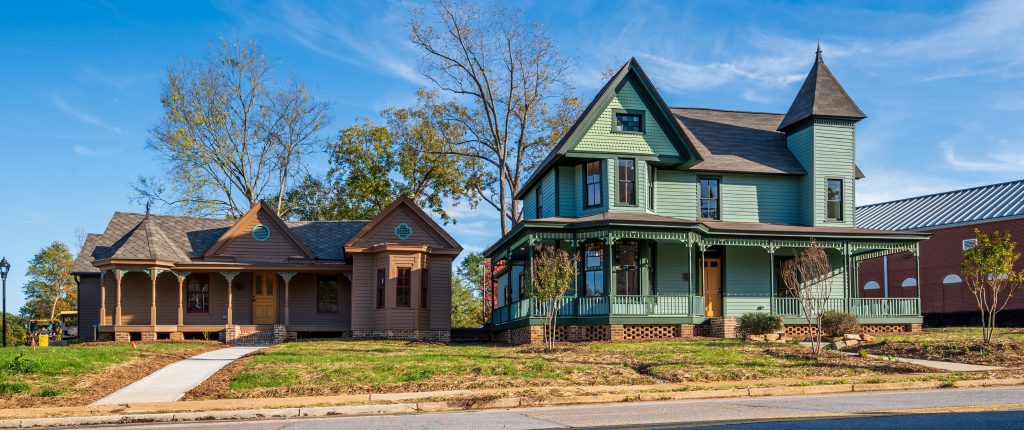
More Than Just a Home: Historic Magnolia House
January 23, 2025
Patient No More:People with Disabilities Securing Civil Rights
Where We Go
Jobs
Alumni from our program have obtained jobs with museums, historic sites, government agencies, and private firms across the country. A few examples include:
- Missouri Historical Society
- LBJ Presidential Library and Museum
- Kansas Historical Society
- Petersburg National Battlefield
- Rhode Island Historical Society
- Kentucky Historical Society
- James A. Garfield National Historic Site
- Stratford Hall Plantation
- Monticello
- Westchester Township History Museum (Chesterton, IN)
- Historical Museum of Southern Florida
- Town of Windsor Museum (CO)
- Orange County Historical Society (NC)
- Sagamore Institute of the Adirondacks
- Hampton Roads Naval Museum
- Alliance for Historic Hillsborough (NC)
- DAR Museum (Washington, D.C.)
- Roanoke Island Festival Park (NC)
- Shirley Plantation (VA)
- Thomas Wolfe Memorial Historic Site
- Newberry Library (Chicago)
Internships
With guidance and assistance from the faculty, students every year fan out across North Carolina and across the country to gain experience and explore the field. A few examples include:
- National Museum of American History
- Chicago History Museum
- Oakland Museum of California
- Minnesota Historical Society
- Humanities Tennessee
- North Carolina Museum of History
- Margaret Mitchell House/Atlanta History Center
- Charleston [SC] Museum
- Petersburg National Battlefield
- Old Salem Museums and Gardens
- Thomas Wolfe Memorial Historic Site
- Stan Hywet Museum and Gardens (Ohio)
- Greensboro Historical Museum
- Newport Historical Society
- International Civil Rights Center and Museum
- Gettysburg National Military Park
- Museum of International Folk Art
- Museums of Old York (Maine)
- Indian Pueblo Cultural Center (Albuquerque)
- Eastern State Penitentiary (Philadelphia)
- Levine Museum of the New South (Charlotte)
