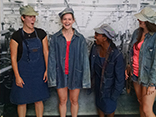
Roots of Resistance: The Tuchyn Story

Roots of Resistance: The Tuchyn Story is a hybrid exhibition that UNC Greensboro graduate students curated. The exhibition tells the story of a Jewish uprising in the Tuchyn Ghetto against Nazi occupiers in Tuchyn, Ukraine, during World War II. When nearby refugees arrived in Tuchyn, they warned Jews of the dangers… Continue reading…

UNCG_Mag_Green Book / Magnolia House. Students scanning Green Book ephemera at the Magnolia House and public library.

More Than Just a Home: Historic Magnolia House

From 2019 to 2020, UNCG History/Museum Studies students collaborated with the Historic Magnolia House to capture the site’s importance and powerful history. They researched, designed, and implemented an exhibition that details the history of this house. Composed of seven panels and four educational lesson plans, The Magnolia Hotel: More than Just Home details multiple… Continue reading…

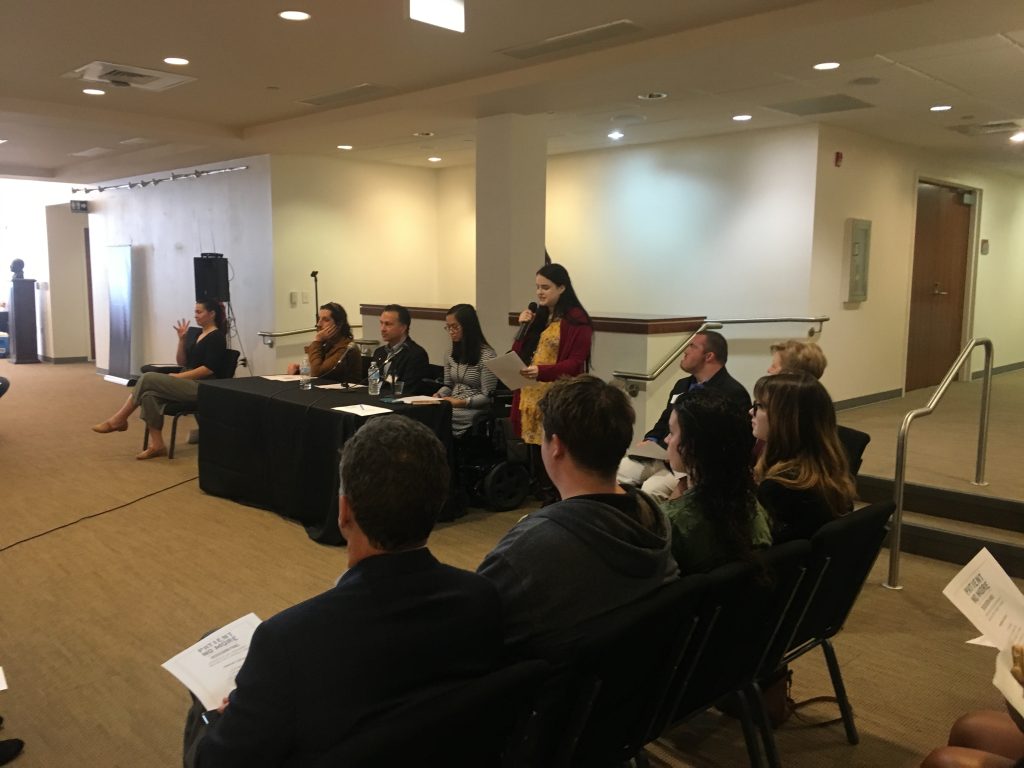
Panel discussion on issues of disability, organized by the graduate students. Courtesy of Melissa Knapp

Patient No More:People with Disabilities Securing Civil Rights

From 2018 to 2019, students in the UNCG History/Museum Studies program worked to bring the traveling exhibit Patient No More: People with Disabilities Securing Civil Rights to the International Civil Rights Center and Museum. The graduate students planned for the exhibit’s arrival, installed it, prepared additional interpretive components, and organized tours and… Continue reading…

The Fabric of Memory: The Cone Mill Villages

Culminating years of work on Greensboro’s textile mill villages, students created a permanent exhibition in a gallery within the newly redeveloped Revolution Mill, once the largest producer of flannel cloth in the world. Drawing on oral interviews, the exhibition focused on the life experiences of the mill workers and their… Continue reading…

States of Incarceration

Working with the New York-based Humanities Action Lab, students contributed to a nationally traveling exhibition on the history of mass incarceration, designing a section that showcased moving letters from 1920s chain-gang inmates in North Carolina. When the exhibition opened at the International Civil Rights Center and Museum in Greensboro, students… Continue reading…

Past the Pipes: Stories of the Terra Cotta Community

Terra Cotta was a segregated African American community in Greensboro, founded for workers who, from the 1880s to the 1970s, made clay sewer pipes that run beneath city streets across the South.  Now the community is aging and its story is in danger of being forgotten.  In partnership with Terra… Continue reading…

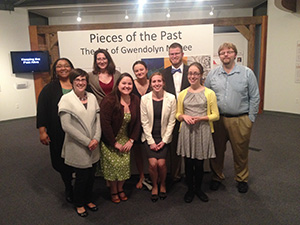
Pieces of the Past: The Art of Gwendolyn Magee

Gwendolyn Magee, an African American artist from High Point, NC, created quilts that narrate key moments in African American history.  Students conducted research on Magee’s life and the history represented in her powerful, emotion-filled pieces.  Collaborating with the artist’s family and community stakeholders, they created an exhibition at the High… Continue reading…

GTMO & GSO

This project was an experiment in community history, exploring surprising resonances between Greensboro and a community thousands of miles away: the Guantánamo naval base (GTMO) in Cuba.  As part of the national Guantánamo Public Memory Project, students researched and created an exhibition panel about life on the base in the… Continue reading…

Windows to the Past: People, Places, and Memory in Downtown Greensboro

What stories does a building hold?  Students asked that question of downtown Greensboro, seeking to push past architecture to focus on the people—some famous, many seemingly lost to history—who made their lives in these historic buildings.   Drawing on public-records and oral history research, students created a series of exhibition panels… Continue reading…

Community Threads: Remembering the Cone Mill Villages

Students created an interactive community-history website about life in the textile mill villages: http://conemillvillages.weebly.com/index.html.  Drawing on oral interviews that they recorded, students used GoogleMaps, Flickr, and chat forums to elicit contributions from mill villagers and prompt reflections about the history and legacies of the textile economy and culture. See the Student View.