The Department of History offers a Ph.D. and Master of Arts in History. The Master’s program has two separate tracks: a traditional Master of Arts degree that develops academic skills and knowledge, and a Museum Studies concentration that trains students in these academic skills and for a career in museums and historic sites.
Hands-on Experiences
Our graduate programs provide broad and diverse training for our students for careers in the field of history. We emphasize hands-on experiences in the classroom with teaching and teaching assistant opportunities in the community where students work as interns at historical sites and museums.
Mentoring
Individual mentoring is also a hallmark of our program. Students in all of our programs work closely with professors on individual and group research projects, and receive personalized mentoring as they prepare to teach at the college level or work in the public history field. Our classes are small, generally between 10-15 students, and all of the graduate students have the opportunity to take classes together and learn from each other.
Affordability
Our graduate program is affordable compared to the national market. All of our Ph.D. students are given financial support with full tuition waivers for both in-state and out-of-state students, and significant stipends to defray living expenses. Competitive grants and fellowships are available on a merit basis to M.A. students to enhance their financial packages while completing the program. More than 70% of our current Master’s students receive institutional support. For those who do pay tuition, the tuition rate for in-state students at UNCG is among the most affordable in the nation. UNCG consistently ranks among the top national universities for affordability and best value.
Meet Our Students
Colton Cheviron
M.A. in History (graduated Spring 2023) Research Interests: Cultural and social history of Eastern Europe, sports history, and Cold War sports. Advisor: Dr. Jeff Jones
Jacob Craddock
M.A. in History Research Interests: American Indians of the Great Plains; American environmental history; the American West. Advisor: Dr. Greg O’Brien
Jeanna DeVita
Ph.D. in History Research Interests: Transcultural Lives on the Colonial Frontier Advisor: Dr. Greg O’Brien
Felton Foushee
Ph.D. in History Research Interests: Depictions of Black Americans in Media Advisor: Dr. Mark Elliott
Mark Gibb
M.A. in History Research Interests: The brewing industry in the late 19th century as a window on industrial consolidation and the rise of big business. Advisor: Dr. Mark Elliott
Ashley Gilbert
Ph.D. in History Research Interests: How revolutionary ideas spread in the southern colonies and how they became a part of both men’s and women’s everyday lives during the Revolutionary Era. Advisor: Dr. Greg O’Brien
Zoey Hanson
Ph.D. in History Research Interests: US Environmental History, National Parks and Public Lands, Womens and Gender History, US History post-1865, Historical Memory Advisor: Dr. Greg O’Brien
Azariah Journey
M.A. in History/Museum Studies Research Interests: The life and diaries of Anne Lister, US LGBTQ+ History, and the All-American Girls Professional Baseball League (AAGPBL). Advisor: Dr. Anne Parsons
Dr. Lynda Kellam
Ph.D. in History (graduated Spring 2023) Research interests: Sovereign responsibility in late 19th- and early 20th-century U.S. and British debates on humanitarianism, governance, and empire, focusing on reformers and anti-imperialists from the 1890s to post-WWI. Advisor: Dr. Mark Elliott
Indira Lessington
M.A. in History/Museum Studies Research Interests: The Influence of The Gullah Geechee Culture: Rooted in Resistance and Perseverance Advisor: Dr. Anne Parsons
Ashley Loper-Nowak
Ph.D. in History Research Interests: Southeast Asian Refugees to North Carolina. Advisor: Dr. Thomas Jackson
Ashley LaRue Low
Ph.D. in History Research Interests: American Jewish reactions and memory concerning Eastern European pogroms and antisemitic violence in the early 20th century as well as Transatlantic History, Women’s and Gender Studies, and Public History. Advisor: Dr. Anne Parsons
Dr. Stuart Marshall
Ph.D. in History (graduated Summer 2023) Research interests: Eastern Cherokee sovereignty during the Civil War era, highlighting Junaluska’s role in shaping citizenship rights and the Eastern Band of Cherokee Indians. Advisor: Dr. Greg O’Brien
Jewel Parker
Ph.D. in History Research interests: Intercultural origins of antebellum Southern health care, highlighting how American Indians, Africans, and Europeans shaped medical practices and the U.S. pharmacopeia. Advisor: Dr. Greg O’Brien
Emilee N. K. Robbins
Ph.D. in History Research interests: Aristocratic women’s narratives in the Revolutionary Atlantic, focusing on their access to safety, mobility, and communication, and contributions to Republican Motherhood and New Domesticity. Advisor: Dr. Linda Rupert
Abigail Shimer
Ph.D. in History Research Interests: Homeschooling in the United States (1970-2000) Advisor: Dr. Thomas Jackson
Robert Skelton
Ph.D. in History Research interests: The collapse of Reconstruction in Florida, examining how Republican appeasement and voter suppression preserved white supremacy and a cheap labor pool. Advisor: Dr. Mark Elliott
Richard Miles Smith
Ph.D. in History Research interests: Slavery’s role in Maryland’s independence and its connection to politics and capitalism in British North America and the early U.S., including the Maryland Colonization Society. Advisor: Dr. Greg O’Brien
Erica Ragan Suits
M.A. in History/Museum Studies (graduated Spring 2023) Research interests: British women’s political agency, particularly Irish women’s involvement in political violence and the public personas they used to legitimize it. Advisors: Dr. Anne Parsons and Dr. Jill Bender
Andrew Turner
Ph.D. in History Research interests: How youth soldiers of the American Civil War navigated coming of age during wartime and shaped public memory of the war into the late 19th and 20th centuries. Advisor: Dr. Mark Elliott
Emma Lane Waldie
Ph.D. in History Research interests: The experiences of the ‘insane’ or ‘mentally ill’ in American history, focusing on state asylums and mental hospitals, and how institutionalized people used crafts to resist confinement. Advisor: Dr. Anne Parsons
“My doctoral mentors never lost sight of how to customize my training for where I wanted to go. There was a constant encouragement of my growth and people went out of their way to open doors for me.”
Please note: On the online application, under area of concentration Ph.D. applicants should select “History” and not the other choices. By selecting “History” the Ph.D. degree choice will become available
What do I need to complete my application?
1. Transcripts. All undergraduate transcripts are required. For the Ph.D. program, graduate transcripts are also required. From the Graduate School FAQ page: “Unofficial transcripts are copies issued to a student to document their career at an institution. These may be uploaded to your application as part of the application process. However, if you are admitted to a graduate degree program at UNCG, you must request that official transcripts be sent to The Graduate School within the first semester of your admission. 30 days of matriculation. NOTE: Advising transcripts downloaded via the internet are not accepted for the application process.” Also, UNCG graduates are not required to submit transcripts from UNCG.
2. Letters of Recommendation. At least three letters should be submitted. To the extent possible, applicants should submit academic recommendations. It is strongly suggested that letters of recommendation address the applicant’s potential for graduate work as well as his or her analytical and writing abilities.
3. Personal Statement. The personal statement should include the highlights of your educational background; your area(s) of scholarly interest; your career aspirations; and anything else you deem relevant about yourself. Finally, give your reasons for choosing UNCG’s MA or Ph.D. program. Suggested length: 500-700 words.
4. Writing Sample. All applicants for the MA and Ph.D. programs must submit a writing sample. Ideally, the writing sample should be selected so as to demonstrate the applicant’s skill at historical research and analysis. Recommended length: 15 pages. Seminar papers and portions of a thesis (e.g., introduction, one chapter, and conclusion) are suitable writing samples.
5. Short Resume.
6. Submit a Free Application for Federal Student Aid (FAFSA) to Financial Aid. The link is on the Financial Aid web site. Filling out this form potentially makes students and applicants eligible for University scholarships. Other helpful links, including Payment and Cost Information, also are found on this page.
Where do I send my application materials?
All required materials should be submitted to the Graduate School via the online application. When your file is complete, the History Department’s Graduate Committee will evaluate all applications and make recommendations to the Graduate School. To be admitted to either the MA or PhD program, you must receive an official letter from the Graduate School.
When is the deadline for my application?
The deadline for all applications for Fall is February 1. Your complete application package, including all components listed above, must be submitted to the Graduate School by February 1.
We do not accept applications for the spring semester or summer session.
After you have submitted your application, you can monitor whether your application is complete via your Graduate School application account.
When will I hear about admission decisions?
During the last several years, there has been a huge increase in applications for our graduate programs. Since we try to keep our faculty-to-student ratio small, this means that the competition for places in our graduate programs have become intense.
The process of selecting incoming students often takes 4-6 weeks after the application deadline. Once your application is complete, it must then be reviewed by our Graduate Committee faculty members and decisions are made to accept, turn down, or place applicants on a wait list.
In general, the History Graduate Committee makes the first round of recommendations to the Graduate School concerning M.A. applications in mid-late March. Most students who apply for the MA degree by the February 1 deadline will hear from us about their status by the end of March or the first week of April. Applicants on the wait list will be informed and decisions will be made as we receive responses from the first round.
Can I apply for the Ph.D. program without a history M.A.?
The Ph.D. program requires a M.A. in History. All students must complete the history M.A. before the fall semester in which they plan to enroll. Students with a B.A. may apply to UNCG’s M.A. program with the intention of continuing on for the Ph.D.; however, once the M.A. is completed, they must submit an application for admittance to the Ph.D. program. There is no separate “track” that leads automatically from the History M.A. into the Ph.D. program.
What about funding possibilities?
Qualified students may apply for Teaching Assistantships as well as in-state and out-of-state waivers. Assistantships and waivers are awarded for one year and renewable for a second year. Qualified advanced students will have an opportunity to teach their own courses after completing their tenure as teaching assistants and finishing their teaching seminar. Student working on their dissertation may compete for dissertation fellowships awarded by the Graduate School and the History Department.
Is there a residency requirement for the Ph.D.?
Yes, the Graduate School requires at least one year of residency (i.e., students must be registered full time for two consecutive semesters). Further, it is the expectation of the History Department that students in the Ph.D. program will complete the required course work in their major and minor in the two years between their entry into the program and their preliminary examinations.
How selective is the Ph.D. program?
In order to devote a maximum of faculty time with each student, we have decided to keep our program small. We anticipate admitting between four and eight students per year. As a result, competition for places in our program will be keen.
How can I arrange a tour of the campus?
The Graduate School offers informational tours for prospective graduate students. Call 336-334-5596 for more information.
The Office of Undergraduate Admissions offers information about campus tours, travel instructions, and parking information for all visitors on its web site.
After you decide when you would like to visit UNCG’s campus, you should contact by e-mail the professor(s) whose interest most closely resemble your own and arrange a mutually suitable time for a meeting. He or she can talk to you about how you might pursue your research interest. Once you have arranged this meeting, contact the Director of Graduate Studies (also by e-mail) and set up a second meeting. He or she can advise you about curricular matters and answer remaining questions about the Ph.D. program.
MA Frequently Asked Questions
Advising
For MA in History students, the Director of Graduate Studies will be your first adviser within the Department and the Director of Public History will advise the MA in History/Museum Studies students. They will help you design your course of studies, answer questions you may have about the M.A. program, and be your contact person with the Faculty. You must consult with the Director of Graduate Studies or the Director of Public History each semester before registering to draw up your course of study to update your Plan of Study (see below).
The 700-Level Seminar Sequence
MA in History students are required to take HIS 703-704, in which they complete a major research paper (approximately 30-40 pages). MA in History/Museum Studies students are not required to take HIS 703-704, although they can opt into them.
HIS 703 will be organized as follows: a) students will meet regularly with their mentors; b) the mentor will be fully responsible for directing each student’s project and for determining the final grade; c) and students, upon consultation with the mentor, will find a topic suitable for a research paper.
The organization for HIS 704 is essentially the same. Mentors will work one-on-one with their respective student(s) in the process of researching, writing, and revising a research paper and will be responsible for determining the final grade. In addition to one-on-one sessions with the mentor, all students will participate in a student conference where they will present a report on the findings of their seminar projects and respond to questions. This conference will be organized by the students themselves in conjunction with their mentor and the Director of Graduate Studies.
The 700-Level Seminar Sequence for MA in History/Museum Studies
MA in History/Museum Studies students take HIS 720-721, a public history capstone experience. Over the course of a year, students work on public history projects with live community partners. They curate exhibits, build online projects, process collections, and participate in educational programs. These research-based experiences provide students with valuable, hands-on learning that will serve them well in the field.
The Comprehensive Examination Committee
MA in History students take comprehensive exams, and MA in History/Museum Studies students do not take comprehensive exams. MA in History students will develop three fields of study based upon the specializations of their three-member faculty committee. Any graduate faculty member in the Department of History may serve as the main advisor. If a student selects a faculty member whose specialization is in United States history as main advisor, then at least one of the committee members must be a specialist in a non-U.S. field. If a student selects a faculty member whose specialization is in European history as a main advisor, than at least one of the committee members must be a specialist in a non-European field. Similarly, if a student selects a faculty member whose specialization is outside United states or European history, at least one of the committee members must come from either U.S. or European history. Some faculty members may require that students have completed at least one course with them before agreeing to serve on a committee; students should consult with prospective committee members early in their graduate career. A faculty member from another UNCG department or program who has graduate faculty status can serve on an MA committee and create a field of study.
The Comprehensive Examination
All MA in History students must pass a written comprehensive examination in each of their three fields of study. MA in History/Museum Studies students do not take comprehensive exams. The exams are usually administered twice a year, during fall and spring. Students may retake a failed comprehensive exam once.
The comprehensive exam, which students usually take in their last semester of course work, is divided into three sessions of one and one-half hours each. In each session students will be given two questions; they will choose one and will write on it for the hour and a half period.
One final note about “Comps.” You should not view this exam with foreboding or as a massive obstacle in your path on the way to graduation; we have designed the Comprehensive Exam Committee to help you get a pretty good idea of the material on which you will be tested. You should look upon your preparation for Comps as a time to review, appreciate, and perhaps even marvel at all that you have learned. Comfort yourself in the knowledge that, almost without exception, students who perform well in the program also perform well on the Comps.
The Mentor
MA in History/Museum Studies students do not select a mentor. Traditional MA in History students, however, are required to select a mentor by the end of the first year of courses (or upon approaching the completion of 18 credit hours). The mentor, with whom you will do a good deal of work, should obviously have expertise in your major field. Also they will be the person from whom you take at least one, and possibly both, 700-level seminars.
The mentor will advise traditional MA students on scholarly and professional matters and will chair your M.A. Comprehensive Examination Committee (see below). Unless your mentor makes some other arrangements with you, it will be expected that you will draw up a reading list of works that you have read in your major field for which you will be responsible on the Comprehensive Examination. This will include works that you have read both inside and outside your classes; the mentor will check the list and, if necessary, make suggestions for filling in any gaps or omissions. It is strongly advised that students draw up their reading lists and consult with their mentors at least one semester before their Comprehensive Exam.
Independent Study (HIS 697, Directed Reading)
HIS 697, Directed Reading, allows students to explore particular topics not available in other courses (or not treated with enough specificity or in sufficient depth). Once again, students can only sign up for HIS 697 with the prior agreement of the instructor. To enroll in HIS 697, students must first fill out the Permission to Register for Independent Study form, which requires permission of the instructor, the Director of Graduate Studies, the Department Head, and the Graduate Dean. The electronic form will be sent to the email addresses provided for the required permissions, and the Graduate School will register the student after approval. The instructor and the student will complete the Independent Study Plan and submit the completed form to the Graduate Administrative Assistant for their student file.
Foreign Language
MA in History students are required to show proficiency in a foreign language; MA in History/Museum Studies do not. Many areas of historical research require proficiency in foreign languages. Students who intend to concentrate in such areas are encouraged to receive certification of language competence by passing the written language exam administered by
the Department. Passage of the language exam will reduce the minor from 12 to 9 hours (and the total degree hours from 33 to 30). Students intending to pass the language exam are urged to take it during their first or second semester in order to determine their level of proficiency; there is no penalty for re-taking the exam. Students are strongly discouraged from taking the language exam for the first time during their last semester. Students can use a dictionary and are allowed one and a half hours to complete the translation.
Plan of Study
The Plan of Study is an audit sheet of all the requirements for the degree. You may obtain the form from the Director of Graduate Studies or on the History Department website. It must be filed twice with the Graduate School: the first should be turned in before achieving 18 credit hours; the second should be turned in when you pay your application fee for graduation (check with the Graduate School for deadline). You must also turn in a duplicate copy to the Director of Graduate Studies and keep a copy for your personal files.
Program Requirements
For program requirements, please consult the University Catalog for the year in which you were admitted. You will also find the program requirements on your plan of study form.
PhD Frequently Asked Questions
Advising
We want to ensure that students have ready access to faculty members and receive timely advice on how to best proceed through the program. To that end, we have devised an advising structure that consists of several, interrelated elements: the Director of Graduate Studies (DGS), the Mentor, and the Advisory/Dissertation Committee (ADC).
The Director of Graduate Studies. The DGS will be the student’s first adviser within the Department. He or she will help each new student design a course of studies, answer questions about the program, and, until the selection of a mentor, be the contact person within the Department. Students are expected to set up a meeting with the DGS during each semester’s advising period to plan a schedule of courses for the following semester.
The Mentor. All students are required to select a mentor after completing 9 hours of course work. The mentor should obviously have expertise in the student’s major area of interest. The mentor will advise students on scholarly and professional matters, will chair the ADC, and serve as the student’s main dissertation advisor. It is the student’s responsibility to consult with a potential mentor and secure his or her agreement to act in that capacity.
The Advisory/Dissertation Committee (ADC). A student must have an ADC consisting of at least four members of the graduate faculty. Along with the DGS, the ADC will assist the student in the preparation of the plan of study, act as the examination committee for the student’s qualifying exam, and guide the student through all stages of the dissertation. This Committee will be appointed by the Dean of the Graduate School upon the recommendation of the Head of the History Department and must be mutually acceptable to the student and all committee members.
Of the ADC’s four members, two, including the chair, must be members of the graduate faculty and no more than one may be an adjunct graduate faculty member. The chair of the ADC must be from the History Department, and it is required that at least one member be selected from the minor area of study. One member must be non-Americanist or non-History Department faculty. This requirement can be satisfied by either the minor field faculty committee selection or the fourth member faculty selection, or both.
If at any time the ADC decreases in number to fewer than four members, the student must ensure that additional members of the graduate faculty are appointed by the Dean of the Graduate School to bring the number to at least four.
The student should request the appointment of this committee as soon as possible after the first semester in the program and, in no case, can this request be made any later than upon the completion of 18 semester hours. Any subsequent changes in the ADC must be reported to the Graduate School for approval.
Core Courses
All students must complete the 15-hour core sequence consisting of the following courses:
Colloquium in American History (HIS 701-702). All students must complete the two-course colloquium sequence. The colloquia are designed to introduce students to major interpretive problems in American history and familiarize them with various methodological approaches used in the discipline.
Varieties of Teaching (HIS 714). Students must complete their Varieties of Teaching course in their two years of study. This course is designed to introduce students to college-level teaching with special attention to preparing syllabi and examinations, developing lecturing and discussion techniques, grading, and responding to student needs. In addition, all students will also be expected to participate in practice teaching exercises.
Graduate Colloquium in World History (716). Students are encouraged to complete the Graduate Colloquium in World History during their first year of study. This course is designed to introduce students to comparative or cross-cultural approaches to historical research and World History.
Ph.D. Reading Course (HIS 750). This course is intended to help prepare students for their qualifying examination and should be taken in the semester preceding the exam. Designed after consultation with the student’s mentor, this course entails an intensive reading program covering the student’s fields of competence. Graded on an S-U basis.
Ph.D. Dissertation Seminar (HIS 751). This course is intended to help students launch their dissertation projects and should be taken immediately after students have successfully completed their qualifying examination. Students will work with their mentor and their Doctoral Advisory/Dissertation Committee (ADC) to select a dissertation topic, assemble a research bibliography, write a preliminary survey of the literature, and design a research program. Though student will work independently much of the semester, they must also meet periodically with other members of the seminar, with their mentor, and with the members of their ADC.
Minor Fields and Independent Study (HIS 697)
Minor Fields. A major goal of our program is to view American history from transnational and transcultural perspectives. This wider perspective will be facilitated in two ways: first, through a selection of courses that are cross-national and integrative in format; and, second, through a close integration of the major and minor areas. As indicated in the program requirements, all students must choose two minor fields. All course work applied toward the minor must be approved by the Director of Graduate Studies and listed on the student’s Plan of Study. Minor Field: The minor field must vary temporally, methodologically, or geographically from the major field. Students may select the minor field from either pre- or post-1865 U.S. History, one of twenty-four specific minor fields, or a self-defined minor field with the permission of their main advisor, minor field advisors, and the DGS. Non-U.S. Minor Field: Students may select the non-U.S. minor field from the list of specificed minor fields or a self-defined minor field (with the permission of their main advisor, minor field advisors, and the DGS) that demonstrates geographical diversity from the major field. Students will complete two electives (6 credit hours) in their non-U.S. minor field.
Independent Study HIS 697, Directed Readings, allows students to explore particular topics not available in other courses (or not treated with enough specificity or in sufficient depth). Students can sign up for HIS 697 only with the instructor’s prior agreement. They must complete the online registration form, as well as obtain the appropriate form from the History Department, have it completed and signed by the instructor, and return it to the History Department for their student file. The Graduate School completes the registration after it is approved by the dean of the Graduate School.
Language Requirement
All students are required to certify their proficiency in a foreign language by passing the language examination administered by the History Department. The examination tests the ability of students to translate historical prose. Students are asked to translate two pages in three hours; dictionaries are permitted. The Department strongly suggests that all students take the exam during their first or second semester in order to determine their level of proficiency; there is no penalty for re-taking the exam. The language exam is given every semester.
The Comprehensive Examination
When a student has removed any provisions or special condition which may have been attached to admission, completed a minimum of three-fourths of the course work contained in the program of study, passed the foreign language requirement, and received permission of the ADC he or she is eligible to take the Comprehensive Exam. Normally, this will occur after the student has completed 30 hours of course work. The comprehensive examination consists of both a written and oral component; the oral component should be scheduled within one month following the written exam.
The written part is prepared by the dissertation advisor with the assistance of the ADC. All students are strongly advised to meet with each member of their ADC in the semester preceding their qualifying exams (and in preparation for HIS 750) and draw up a reading list that will include all of the relevant material to be covered on the exam. Unanimous approval of the ADC is required for passing the comprehensive examination. If a student fails only one part of the written exam, he or she may be required to retake only that part. If a student fails either the written or oral exam (or both), he or she must retake the entire examination.
The Dissertation
Students will register for a minimum of 12 hours of dissertation credit (HIS 799) while researching and writing the dissertation. For a complete explanation of requirements affecting dissertation registration, see “Policy on Continuous Enrollment” in the Graduate School Bulletin.
The ADC, with such other professors as may be appointed by the Dean of the Graduate School, shall examine the dissertation; no dissertation shall be accepted unless it secures unanimous approval of the ADC. Students must submit the final, approved dissertation electronically via the Graduate School website by the deadline date specified in the Academic Calendar. In the final form, the dissertation must comply with the rules prescribed by the Graduate Studies Committee in the templates for preparing theses and dissertations. The Graduate School requires all approved student dissertation to be published with UMI Dissertation Publishing/ProQuest Information and Learning and also on NC DOCKS.
Final Oral Examination
The doctoral candidate who has successfully completed all other requirements for the degree will be scheduled by the chair of the ADC, in consultation with other members of the committee, to take a final oral examination. The Graduate School will publish the dissertation title, date, time and location of the oral examination at least two weeks beforehand. The exam will be open to all members of the university who may wish to attend. The final oral exam is administered by the ADC and is largely related to the dissertation field. Approval of the exam must be attested to by all members of the ADC and the results are reported in writing to the Dean of the Graduate School.
Further Graduate School Requirements
All students must read the Doctoral Degree Requirements (under “Academic Regulations”) in the Graduate School Bulletin. The most important of these are:
Plan of Study. A plan of study for the doctoral degree must be completed, preferably at the end of the first semester or no later than the completion of 18 hours of course work. Student must use the official departmental form (which can be downloaded from the website or obtained from the Director of Graduate Studies).
After approval by the Department, the plan of study must be submitted to the Dean of the Graduate School for approval. The Dean reserves the right to refer any or all plans of study to the Graduate Studies Committee for review and recommendation.
The majority of course work must be at the 600- and 700-level. No more than 15 hours of independent study may be included in the plan of study, exclusive of the dissertation.
Copies of the approved plan of study must be filed in the student’s permanent folder in the Graduate School, in the departmental files, with the chair and each member of the ADC, and with the student. Any subsequent changes in the plan of study must be reported to the Graduate School for approval.
Residence Requirement. The minimum residence requirement for all Ph.D. candidates is two consecutive full-time semesters (minimum of 6 hours per semester) of graduate work on this campus after admission to a doctoral program. The two sessions of summer school count as one semester. Undergraduate courses taken in support of a graduate program cannot count toward residence.
Time Limits. All requirements for the doctorate, including the dissertation, must be completed within seven academic years from the date of first enrollment for study following admission to the doctoral program Post-master’s (or equivalent) credit that is applied to the student’s doctoral program must be no more than seven years old when the degree requirements are completed. This means that all course work to be credited to the student’s doctoral program must fall within a seven-year period of time beginning with the date of first enrollment following admission to the program. If credit to be transferred was earned before enrollment at this University, the seven-year period of time commences with the beginning date of the term in which the transfer credit was earned.
Transfer Credit. All transfer credit must be approved by the History Department and in no case exceed 18 hours of the total hours taken. For further important Graduate School regulations, be sure to read the “Transfer and Extension Credit” section of the Graduate School Catalog.
Ground Rules for the Use of History Teaching Assistants
The Director of Graduate Studies (DGS) will be responsible for the assignment of assistants and for general oversight of the use of Teaching Assistants (a.k.a. Graduate Instructional Assistants and Graduate Teaching Associates). All Instructors and Teaching Assistants will be required to observe the following ground rules to insure equity and consistency:
Lectures. Two-thirds of class time will consist of lectures delivered by the Instructor assigned to the course. A TA will be required to attend all lectures of the Instructor to whom he or she has been assigned.
Discussion Sections. One-third of class time will be devoted to small class discussions led by the TAs. Each TA will be assigned to a single Instructor and will conduct the discussion sections. Each section’s discussion content should be weighted toward primary source material and interpretive issues, and the TAs should make every effort to elicit student participation in discussion.
Coordination Meetings. Each Instructor must convene his or her TAs at least once every two weeks in order to highlight course themes, ensure coordination between lectures and discussions, and iron out any problems that might arise. Teaching assistants will be required to attend all such meetings.
Grading. Based on guidelines set by the Instructor, the grading of examinations and quizzes will the responsibility of the TAs. Also, a TA’s assessment of a student’s discussion performance should be factored into the final grade in a manner determined by the Instructor. Determination of the final grade will be the responsibility of the Instructor.
Office Hours. Each TA must hold regular office hours each week and make themself available to students via e-mail. Office hours must be posted on the course syllabus.
Scholarships, Awards & Honors
Allen W. Trelease Graduate Fellowships:
Ashley Gilbert
Abigail Shimer
Robert Skelton
Kaitlyn Williams
Betty Crawford Ervin Fellowship in History: Taylor Calloway
College of Arts and Sciences and History Department Outstanding Senior Teaching Assistant Award: Ashley Gilbert
Gayle Hicks Fripp Museum Studies Internship: Sarah Maske
Hilda B. Fountain History Fellowship: Katherine Lowe
History Department Junior Teaching Assistant Award: Carolyn McClure
History Department Senior Teaching Assistant Award: Ethan Roy
History Department Outstanding Dissertation Award: Dr. Jason Stroud
Public History Fellowship: Elizabeth Konopka
Kathryn Cobb Preyer Fellowship in History:
Ronald Adams
Maizie Plumley
Rebecca Chambers Wright Scholarship: Rebecca Doss
Richard G. Lane Memorial Scholarship:
Dannette Sharpley
Jasmin Zamora-Cuna
UNCG Inclusiveness Award: Liz Torres Melendez
2019-20 Teaching and Graduate Assistants
Teaching Assistants
Jonathan Baier
Jonathan Baird
Andy Bedingfield
Travis Byrd
Felton Foushee
Ashley Gilbert
Connor Harney
Ashley Loper-Nowak
Carolyn McClure
Jewel Parker
Ethan Roy
Abigail Shimer
Robert Skelton
Richard Smith
Kaitlyn Williams
Graduate Assistants
Summer Crews
Jared Gordon
Sarah Grahl
Janet Hammond
David Kay
Melissa Knapp
Sarah Maske
Matthew McCarthy
Kate McDannold
Thomas Drennan McLenigan
Margalit Pelta Pauls
Emilee Robbins
Purvi Sanghvi
Aaron Scheuermann
Emily Senn
Evan Williams
Accomplishments
Please send news of new jobs, awards, fellowships, publications, and admissions to other graduate programs to Dawn Avolio. We will include your career news on this web site and in the fall department newsletter. Thanks!
Master’s Program
Chelsea Stewart, M.A. 2019: Atlantic World Research Network Graduate Student Travel Grant, 2018
Brittany Hedrick, M.A. 2018: UNCG Graduate Teaching Fellowship 2017-2018
Shawn Reagin, M.A. 2017: 2016 North Carolina Association of Historians Midgette Student Paper Award for “The Character of the Kaiser: How Wilhelm II Led Germany to War.”
Warren Milteer, M.A. 2010: 2016 R.D.W. Connor Award, presented annually to the author of the best article in the North Carolina Historical Review for “From Indians to Colored People: The Problem of Racial Categories and the Persistence of the Chowans in North Carolina” which appeared in the January 2016 issue.
Clyde Ellis, M.A. 1986: Inducted into the Oklahoma Historians’ Hall of Fame, 2017
Felicia (Lowrance) Abrams, M.A. 2012: Manager, Onsite Education at Jamestown-Yorktown Foundation
Jennifer Scism Ash, M.A. 2008: Instructor, Bennett College; as of 2013 a Ph.D. student at University of Illinois, Chicago
Hailey (Ayers) Harrell, M.A. 2017: Instructor, Greensboro College
Scott Baillargeon, M.A. 2014: Deputy Clerk to the Board of County Commissioners at Guilford County Government, Greensboro, NC
Elizabeth (Ebie) Baker, M.A. 2013: Collections Manager at Longwood Center for the Visual Arts, Farmville, VA
Stephanie (Krysiak) Balaconis, M.A. 2012: Digital Marketing Specialist at The Reynolds and Reynolds Company
Laura Michal-Balderson, M.A. 2018: Tour guide, Monticello, Charlottesville, VA
Katie Bates, M.A. 2011: Curator, Town of Windsor Museum, CO
John F. Beeler, M.A. 1986: Professor of History, University of Alabama, Tuscaloosa
Lisa Berg, M.A. 2010: Historic Sites Supervisor, Kansas Historical Society
Kyle Booker, M.A. 2020: Assistant Site Manager, James K. Polk State Historic Site, Pineville, NC
Douglas Bristol, M.A. 1992: Associate Professor of History, University of Southern Mississippi
Maya Brooks, M.A. 2020: Assistant Curator for Contemporary Art, Southeastern Center for Contemporary Art and North Carolina Museum of Art
James J. Broomall, M.A. 2006: Assistant Professor of History, Shepherd University and director of the George Tyler Moore Center for the Study of the Civil War
Philip Brown, M.A. 2015: Park Ranger, Gettysburg National Military Park, PA
Becky Byron, M.A. 2011: Managing Editor in journals division of the University of Chicago Press.
Morena Carter, M.A. 2005: Attorney, Jackson Lewis, Cleveland, OH
Valeria Caviness, M.A. 1990, University Program Specialist, Provost Office, UNCG
Hayley Chambers, M.A. 2008: Senior Curator of Collections at the Totem Heritage Center and the Tongass Historical Museum in Ketchikan, AK
Megan Coker, M.A. 2014: Graduate Assistant at University of South Carolina Office of Oral History, Masters student in University of South Carolina Library and Information Science Program
Karen L. Cox, M.A. 1988: Professor of History, UNC-Charlotte
Dustin Cranford, M.A. 2011: Instructor, Guilford Technical Community College, UNCG, as of 2014 a Ph.D. student at the University of Maryland
Kelli Landing Crawford, M.A. 2012: Volunteer Coordinator and Curator of Collections, Natural Science Center of Greensboro
Katherine Crickmore, M.A. 2019: Assistant, State Archives of North Carolina, Correspondence Unit, Raleigh, NC
Kevin Crowder, M.A. 2004: Full-time Instructor, Guilford Technical Community College
Sarah Cunningham, M.A. 2009: Chief of Integrated Resources and Facilities for the Southern Campaign of the American Revolution Parks Group, Ninety-Six, SC
Peter S. D’Arpa, M.A. 2016: Instructor and Ph.D. student at West Virginia University.
Emmanuel Dabney, M.A. 2010: Interpretive Park Ranger at Petersburg National Battlefield, VA
Joshua Dacey, M.A. 2017: Historic Interpreter, Charles B. Aycock Historic Site, NC
Christopher Davis, M.A. 2006: Grant Specialist, The Office of Sponsored Programs, UNCG
Katie DeMar-Aldrich, M.A. 2016: National History Day Coordinator, Washington State Historical Society, Tacoma, WA
Donna Donald, M.A. 2002: Assistant Professor, Liberty University, VA
Mary Early, M.A. 1995: Director, Enrolled Student Services, UNCG Graduate School
Clyde Ellis, M.A. 1986: Professor of History & University Distinguished Scholar, Elon College, Elon, NC
Miriam Farris, M.A. 2010: Museum Specialist, Carl Sandburg Home National Historic Site, Flat Rock, NC
Rebecca Fecher, M.A. 2011: Full-time Instructor, Alamance Community College, Graham, NC
Brandie Fields, M.A. 2011: Executive Director, Orange County Historical Museum, Hillsborough, NC
Daniel Fountain, M.A. 1993: Associate Professor, Meredith College, NC
Amelia Gallo, M.A. 2012: Educator, Thomas County Historical Society & Museum, Thomasville, GA
Margaret Wilson Gillikin, M.A. 1999: Assistant Professor and Program Director for Social Studies Education, Winthrop University, Rock Hill, SC
Dalila Goulart, M.A. 2007: Education and Visitor Services Manager, Rhode Island Historical Society
Blanche Hailey, M.A. 2011: Adjunct Instructor, Davidson County Community College and Forsyth Technical Community College; Curator, Eden Historical Museum, Eden, NC
Elizabeth Hallett, M.A. 2014: Student Outreach and Partnership Development Specialist, El Nomad Study Abroad Program, Cuenca, Ecuador
Brittany Hedrick, M.A. 2018: Social studies instructor, Guilford Technical Community College Middle College; Adjunct instructor, Davidson-Davie Community College, NC
David Herr, M.A. 1994: Chair, Liberal and Creative Arts Department, Associate Professor of History, St. Andrews University, Laurinburg, NC
Scott Hinshaw, M.A. 2004: Archivist, UNCG Special Collections and University Archives, Greensboro, NC
Amanda Holland, M.A. 2016: Director, Alfred C. Kessell History Center for Preservation North Carolina, Gastonia, NC
Pippa Holloway, M.A. 1994: Professor and Director of Graduate Studies, Department of History, Middle Tennessee State University
Gina Ingraham, M.A. 2015: Assistant Director of Graduate Admissions at Elon University, NC
Christopher Jacobson, M.A. 2009: Testing Center Manager/Instructor, Frederick Community College, MD
Evan Jaynes, M.A. 2020: History Instructor at Oak Ridge Military Academy, Guilford County, NC
Njeri Jennings, M.A. 2018: Assistant Educator, Picker Art Gallery, Colgate University, Hamilton, NY
Caitlin Johnson, M.A. 2018: Historic Interpreter and Education Liaison, San Jacinto Battleground State Historic Site, TX
Chris Jordan, M.A. 2012: Director of Public Programming at the New Winston Museum, Winston Salem, NC
Stacie Keevil, M.A. 2011: Salesforce Consultant at Galvin Technologies, Indianapolis, IN
Ellen Kennedy, M.A. 2010: Education Manager, National Museum of the Great Lakes, Toledo, OH
Christopher Kutas, M.A. 2011: Course Materials Assistant Manager, University of North Carolina at Chapel Hill
Sonya Laney, M.A. 2017: Education Coordinator, Charlotte Hawkins Brown State Historic Site, Sedalia, NC
Katie Lange, M.A. 2015: Interpretive Specialist for Daily Programming at Mahaffie Stagecoach Stop and Farm, Olathe, KS
Saskia Lascarez Casanova, M.A. 2022: Museum Administrator, North Carolina Museum of Dolls, Toys, and Miniatures, Spencer, NC
Emily Lassiter, M.A. 2014: Executive Director, Claymakers Arts Community, Durham, NC
Alexandra Latona, M.A. 2014: Education and Volunteer Manager, California Museum, Sacramento, CA
Brian Laverdure, M.A. 2015: Director, Emerging Payments Education, EPCOR, Kansas City, MO
Laura Lawfer, M.A. 2008: Special Events Coordinator/Educator, Hampton Roads Naval Museum, VA
Leslie Leonard, M.A. 2017: Assistant Site Manager, Charlotte Hawkins Brown State Historic Site, Sedalia, NC
Laura Glass Malloy, M.A. 2013: Historian for the 58th Special Operations Wing at Kirtland AFB, Albuquerque, NM
Sarah Maske, M.A. 2021: Public Programs Coordinator and Education Assistant, Greensboro History Museum, NC
Hannah Mahnken, M.A. 2018: Registrar at the Smoky Hill Museum, Salina, KS
Alaina McKee, M.A. 2012: Student Teacher at Salem High School, City of Salem Schools
Sarah McNulty, M.A. 2011: Director of Programs and Marketing at the Surry Arts Council in Mount Airy, NC
Warren Milteer, M.A. 2010: Assistant Professor of History at George Washington University, Washington, DC
Ethan Moore, M.A. 2010: Coordinator of Elon University’s art collections and instructor in art and art history; as of 2013 a Ph.D. student at UNCG
Kimberly Mozingo, M.A. 2014: Administrative Support Specialist, Department of Anthropology, UNCG
David (Jack) Norton, M.A. 1999: Instructor, Dept of History, Normandale Community College, Bloomington, MN
Jessica O’Connor, M.A. 2017: Programs Assistant, Museum of Mississippi History, Jackson, MS
Christina (Rodriguez) Oliver, M.A. 2007: Registrar, George W. Bush Presidential Library & Museum, Dallas, TX
Max Ostrowski, M.A. 2016: Oral History Researcher, The HistoryMakers Digital Archive, Chicago, IL
Michelle Palmore, M.A. 2010: Manager of the Nathaniel Russell House Museum for the Historic Charleston Foundation, Charleston, SC
Kasey Parara, M.A. 2012: Group Reservations Coordinator, Sheraton/Koury Convention Center, Greensboro, NC
Lindsay Payne, M.A. 2014: History Teacher, Greensboro Day School, Greensboro, NC
Karen Ploch, M.A. 2017: Curator, Historical Society of Montgomery County, PA
Kim Proctor, M.A. 2011: Executive Director Rockingham County (NC) Historical Society Museum & Archives, NC
Brandie (Cline) Ragghianti, M.A. 2014: Independent public historian, currently in the Masters of Library Information Sciences at UNCG
Crystal Rayle, M.A. 2010: Instructor, Guilford Technical Community College, NC
Charlotte (Wolfe) Ross, M.A. 2011: Teacher Programs Manager at The Newberry Library, Chicago, IL
Jordan Rossi, M.A. 2015: Executive Director, Rockingham County Historical Society, NC
Annie Rubel, M.A. 2014: Site Coordinator, Fair Lane: Home of Clara and Henry Ford, Dearborn, MI
Caitlin Saraphis, M.A. 2009: Assistant Director, College of Arts and Sciences Advising Center, UNCG
David Seidel, M.A. 2011: Teacher and Department Chair of the Social Studies Department, Bishop McGuinness High School, NC
Alexis Schofield, M.A. 2017: Education Coordinator at the Florida Maritime Museum, Cortez, FL
Richard Shelton, M.A. 2008: Full-time Instructor, Surry Community College, NC
Sarah Shurts, M.A. 2002: Assistant Professor, Bergen Community College, NJ
Melanie Staley, M.A. 2015: 8th Grade Science/Social Studies Teacher at New Century Middle School in Moore County, NC
Chelsea Stewart, M.A. 2019: Museum Coordinator, Peel Museum & Botanical Garden, Bentonville, AR
Marianne Pace Taylhardat, M.A. 2013: Social Studies Teacher, Guilford County Schools, NC
Angela Thorpe, M.A. 2014: Associate Director, N.C. African American Heritage Commission, N.C. Dept. of Natural and Cultural Resources
Jason Turner, M.A. 2002: History/Social Studies Teacher, Rockingham County Schools, NC
Michael Verville, M.A. 2013: Marketing Coordinator, Alliance for Historic Hillsborough, Hillsborough, NC
Anita Warfford, M.A. 1999: Instructional Technology Consultant, College of Arts & Sciences, UNCG; and Instructor, Bachelor of Arts in Liberal Studies Program, UNCG
Lance Wheeler, M.A. 2017: Director of Exhibitions at the National Center for Civil and Human Rights, Atlanta, Georgia
Amber Williams, M.A. 2013: Program Coordinator for the Special Collections Division, Nashville Public Library, Nashville, TN
Mary Williford, M.A. 2015: Business Services Coordinator, Southern Historical Collection, University of North Carolina at Chapel Hill.
Lacey Wilson, M.A. 2018: Historical Interpreter, Telfair Museums, Savannah, Georgia
Samantha Winer, M.A., 2012: Curator of Collections & Exhibits Centennial Museum & Chihuahua Desert Gardens, El Paso, TX
Jasmin Zamora-Cuna, M.A., 2023: Career and College Promise Coordinator, Sandhills Community College, Pinehurst, NC
Purvi Sangvhi, M.A. 2020: Georgia State University
Shawn Reagin, M.A. 2017: Georgia State University
Kimber Heinz, M.A. 2016: University of North Carolina at Chapel Hill
Peter d’Arpa, M.A. 2016: West Virginia University
Lisa Withers, M.A. 2015: North Carolina State University
Steven Lechner, M.A. 2015: North Carolina State University
Beth McFayden, M.A. 2014: University of Illinois at Chicago
Kenneth Surles, M.A. 2014: University of Oregon
Rebecca Adams, M.A. 2013: George Mason University
Jeremy Piercy, M.A. 2013: University of Edinburgh, United Kingdom
Dustin Cranford, M.A. 2011: University of Maryland at College Park
Tiffany Holland, M.A. 2011: Duke University
Richard Gilley, M.A. 2010: University of South Florida
David Loner, M.A. 2010: Oxford University, United Kingdom
Warren Milteer, M.A. 2010: UNC Chapel Hill
Andrea Nichols, M.A. 2010: University of Nebraska
Lisa Zevorich, M.A. 2009: Ohio State University
Michael Brandon, M.A. 2009: University of Florida
Jennifer Scism Ash, M.A. 2008: University of Illinois at Chicago
Jeff Benvenuto, M.A. 2008: MA in Cultural Studies, Uniwersytet Jagiellonski, Krakow, Poland; Ph.D. student, Global Affairs, Rutgers-Newark, State University of New Jersey
William Feeney, M.A. 2008: University of West Virginia
Benjamin Gulley, M.A. 2008: Penn State
Tyson Smith, M.A. 2008: University of Mississippi
Peter van Lidth de Jeude, M.A. 2008: Penn State
James Broomall, M.A. 2006: University of Florida
Rwany Sibaja, M.A. 2005: George Mason University
Margaret Wilson Gillikin, M.A. 1999: University of South Carolina at Columbia
Graduate Student and Alumni Publications
Rebecca Adams, M.A. 2013: Book Review published in the North Carolina Historical Review, vol. LXXXIX (2012):455-56
Travis Sutton Byrd, Ph.D. student: Tangled: Organizing the Southern Textile Industry, 1930–1934 (University of Tennessee Press, 2018); Unraveled: Labor Strife and Carolina Folk during the Marion Textile Strikes of 1929 (University of Tennessee Press, 2015)
Margaret Williams Carmack, Ph.D. 2016: “Segregating the Police: Race the Reality of Being a Black Police Officer in Postwar Memphis.” Journal of Southern Studies XXVI:1 (Spring/Summer 2019), 47-74; Book review published in NC State Graduate Journal of History, Spring 2016.
Dustin Cranford, M.A. 2011: “A Roman in Name Only: An Onomastic Study of Cultural Assimilation and Integration in Roman Spain,” Eras Journal, June 2012
Margaret Wilson Gilligan, M.A. 1999 (Ph.D. University of South Carolina, 2014): “Competing Loyalties: Nationality, Church Governance, and the Development of an American Catholic Identity,” Special Issue: Forming Nations, Reforming Empires, Early American Studies: An Interdisciplinary Journal, 11 (2013): 146-160.
Christopher A. Graham, Ph.D. 2013: “Evangelicals and ‘Domestic Felicity’ in the Non-Elite South,” Journal of Southern Religion 15 (2013).
Kevin D. Greene, Ph.D. 2011: The Invention and Reinvention of Big Bill Broonzy, UNC Press, 2018; “‘We Never Get to Be Men:’ Big Bill Broonzy, Black Consciousness, and WWI’s Returning Black Veterans” in Hal Friedman and Robert Jefferson, ed. Marching Forward: Veterans Politics and Civil Rights in Twentieth Century American Wars, Lexington Books, 2018; and “Just a Dream: Big Bill Broonzy, the Blues, and Chicago’s Black Metropolis” Journal of Urban History (January, 2014).
Arlen Hanson, Ph.D. 2021: “Gregory Ivy: The Legacy of a Non-Conformist,” Spartan Stories, 2017.
Connor Harney, PhD Student: “Radio Free Cuba: From Détente to Re-escalation in Havana and Miami,” International Journal of Cuban Studies Vol. 13(1):67-85. DOI: 10.13169/intejcubastud.13.1.0067
Karen Hawkins, Ph.D. 2012: Everybody’s Problem: The War on Poverty in Eastern North Carolina (University of Florida Press, 2017); “A Moderate Approach: How the War on Poverty Was Kept Alive in Eastern North Carolina, 1963-1968,” Journal of the Historical Society, October 2013; “Rising Phoenix-Like: The African American Struggle and Mobilization for Political Rights in New Bern, North Carolina, 1968-1977,” North Carolina Historical Review, October 2008; book review published in Journal of Children and Poverty, March 2012.
Matthew Hintz, Ph.D. student: “Class Conflict in the Union and Confederacy,” in Essential Civil War Curriculum, Blacksburg: Virginia Center for Civil War Studies at Virginia Polytechnic Institute and State University, May 2018; Book review published in NC State Graduate Journal of History, Spring 2016.
Christopher Kutas, M.A. 2011: Book Review published in Ethnohistory, Summer 2011
Brian Lee, Ph.D. 2015: “A New Frontier: Reevaluating JFK’s Civil Rights Record Through a Case Study of Prince Edward County, Virginia,”Federal History Journal, Vol. 7 (2015), 53-66; “Farmville Protests of 1963.” Encyclopedia Virginia. Virginia Foundation for the Humanities (with Brian J. Daugherity); “Program of Action: The Rev. L. Francis Griffin and the Struggle for Racial Equality in Farmville, 1963,” with Brian J. Daugherity, The Virginia Magazine of History and Biography 121 (2013), 251-287; “We Will Move: The Kennedy Administration and Restoring Public Education to Prince Edward County, Virginia” in Terence Hicks and Abul Pitre, e.s., The Educational Lockout of African Americans in Prince Edward County, Virginia (1959-1964): Personal Reflections and Accounts (Lanham, Maryland, 2010).
Justina Licata, Ph.D. 2020: Book review published in The Southern Quarterly, Fall 2014.
Ian Michie, Ph.D. 2018: “‘Toward a Truer World:’ Overt and Implied Messages of Resistance from Slave Songs to Rap” in Sounds of Resistance: The Role of Music in Multicultural Activism (Preager, 2013); “The Renewed Debate: Hurricane Katrina and America’s Reawakening to Racial Inequality” in ABC-CLIO’s American Mosaic: African American Experience Schools Database.
Alyce Miller, Ph.D. 2012: Daugherity, Brian J., and Alyce Miller. “‘A New Era in Building’: African American Educational Activism in Goochland County, Virginia, 1911-1932.” The Virginia Magazine of History and Biography 128, no. 1 (March 2020): 45-84. Alyce Miller and Brian Daugherity, The Goochland County Rosenwald Schools Oral History Project, M 501, Special Collections and Archives, James Branch Cabell Library, Virginia Commonwealth University, Richmond, VA.
Jamie Mize, Ph.D. 2017: “In the Hands of God: Religious Revivals and the Struggle for Manhood In Confederate Camps,” in Memory and Mythology: Modern War and the Construction of Historical Memory, 1775-2000 ed. Natalia Starostina. Palo Alto: Academica Press, 2014. Book review published on H-AmIndian, July, 2014, http://www.h-net.org/reviews/showrev.php?id=41077.
Ethan Moore, Ph.D. student: “From Sikwa to Swine: The Hog in Cherokee Culture and Society, 1750-1840,” Native South, vol. 4 (2011), pp. 105-120
Joseph S. Moore, Ph.D. 2011: Founding Sins: How a Group of Antislavery Radicals Fought to Put Christ into the Constitution (Oxford University Press, 2015). “Covenanters and Antislavery in the Atlantic World,” Slavery & Abolition Vol. 34, No. 4 (2013); “Colonization and the Limits of Antislavery in Upcountry South Carolina,” in Ben Wright and Zachary W. Dresser, Apocalypse and the Millennium in the American Civil War Era (LSU Press, 2013)
Eric Oakley, Ph.D. 2017: Book reviews published in Ethnohistory, Spring 2011, and The Journal for the History of Discoveries, 42:1 September 2010.
Jewel Parker, Ph.D. student: “Biographical Sketch of Nettie Langston Napier,” in Online Biographical Dictionary of the Women’s Suffrage Movement in the United States, edited by Kathryn Kish Skylar and Thomas Dublin. Alexandria, VA: Alexander Street, 2019; Book reviews, Women’s History Review 27, no. 3 and No. 4 (2018); “Loretta Lynn’s Lyrics: Songwriting for Women and the Working Class.” Graduate History Review 7, no. 1 (September 2018): 99-122.
Steven Peach, Ph.D. 2016: “The Failure of Political Centralization: Mad Dog, the Creek Indians, and the Politics of Claiming Power in the American Revolutionary Era,” Native South vol. 11 (2018), 81-116; Essay, “Native American History within Vast Early America,” The Junto: A Group Blog on Early American History; “Creek Indian Globetrotter: Tomochichi’s Trans-Atlantic Quest for Traditional Power in the Colonial Southeast,” Ethnohistory 60:4 (Fall 2013): 605-635; “Traditional Healing and Modern Medicine” in Greenwood Encyclopedia of American Indian Issues Today, (Westport, CT: Greenwood, 2013); Book reviews published in Ethnohistory, Spring 2012 and Essays in History, Summer 2012.
Jeremy Piercy, M.A. 2013: “The English Civil War and the Glorious Revolution,” In World Democracy: From Ancient Times to the Peoples Revolutions of the 21st Century. M. E. Sharpe, 2013; “U.S.S. Relief,” in An Encyclopedia of American Women at War: From the Home Front to the Battlefields. ABC-Clio, 2012; Book Review in Essays in History, 2013.
Shawn Reagin, M.A. 2017: Book review published in NC State Graduate Journal of History, Spring 2016.
Angela Robbins, Ph.D. 2010: “Alice Morgan Person: My life has been out of the ordinary run of woman’s life,” essay in North Carolina Women: Their Lives and Times – Volume I (University of Georgia Press, 2014), pp. 152-173.
Joseph A. Ross, Ph.D. 2018: Book review published in North Carolina Historical Review, January 2017, pp. 116-117; “Göring’s Trial, Stahmer’s Duty: A Lawyer’s Defense Strategy at the Nuremberg War Crimes Trial, 1945-46,” Madison Historical Review, Spring 2008, http://web.jmu.edu/history/mhr/.
Jennifer Rossi, M.A. 2015: “Culturing Fear: Mothers, Magazines, and the Discourse of Disease,” Journal of Popular Culture, v49 n4 (August 2016): 759-779.
Deborah Russell, Ph.D. 2019: Book reviews in North Carolina Historical Review, January 2012, pp. 124-125, October 2013, pp. 439-440, and October 2014, pp.459-460 and October 2015, pp. 428-429
Purvi Sanghvi, M.A. 2020: “The Indian Ocean World in Five Lives,” Live History India, co-authored with Dr. Omar H. Ali, August 2020
Richard Smith, PhD student: Book review of “Dismantling Slavery: Frederick Douglass, William Lloyd Garrison, and Formation of the Abolitionist Discourse” by Nilgun Anadolu-Okur in Maryland Historical Magazine Vol. 112, No. 2, Fall/Winter 2017.
Cory Joe Stewart, Ph.D. 2010: “Elizabeth Maxwell Steele: ‘A Great Politician’ and the Revolution in the Southern Backcountry,” essay in North Carolina Women: Their Lives and Times – Volume I (University of Georgia Press, 2014), pp. 54-72.
Therese Strohmer, Ph.D. 2016: Book review published on H-Net, February 2011.
Jason Stroud, Ph.D. 2019: “Samuel Spencer: Anti-Federalist,” in North Carolina’s Revolutionary Founders, eds. Jeff Broadwater and Troy Kickler (University of North Carolina Press, 2019). Book reviews in North Carolina Historical Review, January 2013 and July 2014.
Virginia Summey, Ph.D. 2017: The Life of Elreta Melton Alexander: Activism within the Courts (University of Georgia Press, 2022); “Redefining Activism: Judge Elreta Alexander Ralston and Civil Rights Advocacy in the New South,” North Carolina Historical Review (July 2013), 90(3): 237-258.
Jess Usher, Ph.D. 2015: “‘The Golfers’: African American Golfers of the North Carolina Piedmont and the Struggle for Access,” North Carolina Historical Review, April, 2010; book reviews published in the North Carolina Historical Review, January, 2011 and October 2011
Monica Ward, Ph.D. 2019: Book reviews published in Ethnohistory, Winter 2011 and Winter 2013.
PhD Program
Jennifer Bratyanski, Ph.D. 2012: AP Teacher, Providence Day School, Charlotte, NC, Director of Charlotte Film Festival
Margaret Williams Carmack, Ph.D. 2016: Program Chair, Department of General Education and Psychology, Colorado Technical University, CO
Christopher Davis, Ph.D. 2019: Grants Specialist, Lecturer, UNCG
Hannah Dudley-Shotwell, Ph.D. 2016: Honors Faculty Scholar, Longwood University, VA
Christopher Graham, Ph.D. 2013: Mellon Curator, American Civil War Museum, Richmond, Virginia
Kevin Greene, Ph.D. 2011: Associate Professor of History and Interdisciplinary Studies, Director of the Center for Oral History and Cultural Heritage, University of Southern Mississippi
Karen Hawkins, Ph.D. 2012: Teacher, Voyager Academy High School, NC
John Kaiser, Ph.D. 2015: Full-time Instructor, Wake Technical Community College, NC
Brian Lee, Ph.D. 2015: Assistant Professor at McNeese State University, LA
Justina Licata, Ph.D. 2020: Assistant Professor at Indiana University East, Richmond, IN
Stuart Marshall, Ph.D. 2023: Visiting Assistant Professor at Sewanee: University of the South
Sarah McCartney, Ph.D. 2018: Assistant Teaching Professor for NIAHD (National Institute of American History & Democracy) and the Department of History at the College of William & Mary, VA
Paige Meszaros, Ph.D. 2012: History instructor, Cary Academy at SAS, Cary, NC; Area II Instructor, North Carolina Governor’s School
Alyce Miller, Ph.D. 2012: Professor, Valencia College, Orlando, FL
Jamie Mize, Ph.D. 2017: Associate Professor, UNC Pembroke, NC
Ethan Moore, Ph.D. student: Coordinator of Art Collections and Instructor, Elon University, NC
Joseph Moore, Ph.D. 2011: Department of Social Sciences Chair, Assistant Professor, Special Assistant to the President for Academic Enhancement, Gardner-Webb University, NC
Eric Oakley, Ph.D. 2017: Full-time Instructor, Kennesaw State University, GA
Steven Peach, Ph.D. 2016: Associate Professor, Tarleton State University, TX
Keri Petersen, Ph.D. 2017: Senior Director, History and Exhibits, Levine Museum of the New South, Charlotte, NC
Angela Robbins, Ph.D. 2010: Associate Professor, Meredith College
Cory Joe Stewart, Ph.D. 2010: Social Sciences Division Chair, Surry Community College, NC
Jason Stroud, Ph.D. 2019: Assistant Professor of History at Greensboro College, NC
Brian Suttell, Ph.D. 2018: Assistant Professor of History and Success Coach at Ferrum College, VA
Natasha Thompson, Ph.D. 2012: Full-time Instructor, Vance-Granville Community College, NC
Jess Usher, Ph.D. 2015: Assistant Professor, Abraham Baldwin Agricultural College, GA
Monica Ward, Ph.D. 2019: Lecturer, Bryant University, Smithfield, RI
Jennifer Bratyanski, Ph.D. 2012: 2010-2011 Outstanding Faculty Member at Queens University of Charlotte, Hayworth College
Margaret Williams Carmack, Ph.D. 2016: Virginia Social Sciences Association Henry Abraham Best Graduate Student Paper Award, 2015.
Hannah Dudley-Shotwell, Ph.D. 2016: Frances Richardson Keller-Sierra Prize from the Western Association of Women Historians for Revolutionizing Women’s Healthcare: The Feminist Self-Help Movement in America (Rutgers University Press, 2020), 2021; UNCG Outstanding Dissertation Award, 2017; UNCG Women and Gender Studies Graduate Work Award, 2016; Linda and Richard Kerber Travel Grant for Research in the Iowa Women’s Archives, University of Iowa, 2014; Sophia Smith Travel-to-Collections Fund Grant, Smith College, 2014; Graduate Student Research Travel Grant, UNCG, 2014; Award for Outstanding Work in Women’s and Gender Studies, UNCG, 2012
James Findley, Ph.D. 2015: Society for the History of Authorship, Reading & Publishing (SHARP) Travel Grant, 2013; winner of the Humanities section of the UNCG Graduate School Research Expo., 2012; Grant-in-aid to the Folger Shakespeare Library, 2012; UNCG Atlantic World Research Network research prize, 2010
Christine Flood, Ph.D. 2015: 3rd-place Student Essay Contest, North Carolina Museum of History, 2011
Marjorie Foy, Ph.D. 2013: Semi-Finalist for Mellon Fellowship in Humanistic Studies, 2006; Scholar-Athlete Graduate Fellowship, LifeScan of Johnson & Johnson, 2007-2009; Schlesinger Dissertation Fellowship, Harvard University, 2009-2010
Ashley Gilbert, Ph.D. student: Cofflet Fellowship from Colonial Williamsburg, 2023
Arlen Hanson, Ph.D. 2021: UNCG Atlantic World Research Network research prize, 2015
Matthew Hintz, Ph.D. student: Oberlin College Frederick B. Artz Summer Scholar Research Grant Award, 2017
John Kaiser, Ph.D. 2015: UNCG Atlantic World Research Network research prize, 2009; Archie K. Davis Fellowship, North Caroliniana Society, 2012
Brian Lee, Ph.D. 2015: Kennedy Research Grant, John F. Kennedy Presidential Library, 2008
Justina Licata, Ph.D. 2020: College of Arts and Sciences and History Department Teaching Assistant Awards, 2017; Schlesinger Library Dissertation Grant, 2016; Travel Fellowship to Sophia Smith Collections, 2016.
Stuart Marshall, Ph.D. 2023: UNCG Allen W. Trelease Fellowship, 2022-2023; Archie K. Davis Fellowship, North Caroliniana Society, 2022-2023; Pryor Fellowship, Alpha Chi National College Honor Society, 2022-2023; Russell F. Weigley-U.S. Army Heritage Center Foundation Award, James A. Barnes Graduate Student History Conference, Temple University, 2021; Helen Hornbeck Tanner Student Conference Paper Award/Digital Ethnohistory Projects, American Society for Ethnohistory Conference, 2020; UNCG Hayes Excellence Fellowship, 2019-2020; UNCG Moore Fellowship, 2019-2020.
Sarah McCartney, Ph.D. 2018: Betty Sams Christian Fellowship in Business and Economic History at the Virginia Historical Society, 2014; College of Arts and Sciences and History Department Teaching Assistant Awards, 2015; Best Graduate Student Paper at the Virginia Forum, 2015; UNCG Atlantic World Research Network research prize, 2015.
Alyce Miller, Ph.D. 2012: 2020 William M. E. Rachal Award from the Virginia Museum of History & Culture for the best article to appear in the Virginia Magazine of History & Biography (with Brian Daugherity); 2015 Outstanding Faculty Award, John Tyler Community College
Ian Michie, Ph.D. 2018: UNCG Atlantic World Research Network research prize, 2011
Joseph Moore, Ph.D. 2011: Visiting Scholar, University of Notre Dame 2009; Visiting Research Associate, Queens University Belfast 2010; John Hope Franklin Collection for African and African American Documentation Travel Grant (Duke University), 2010; John Higham Travel Grant (OAH/IEHS) 2011; UNCG Atlantic World Research Network research prize, 2009
Eric Oakley, Ph.D. 2017: College of Arts and Sciences and History Department Teaching Assistant Awards, 2014
Tiffany Packer, Ph.D. 2012: American Historical Association Equity Award, 2018.
Jewel Parker, Ph.D. 2024: C. Vann Woodward Dissertation Prize, 2025; Bernard Dissertation Fellowship by UNCG College of Arts & Sciences, 2022-2023; Allen W. Trelease Graduate Fellowship by UNCG History Department, 2022; Kentucky Historical Society Short-Term Research Fellowship, 2022; Atlantic World Research Network Graduate Student Research Grant, 2021-2022; Phillips Fund Grant for Native American Research, American Philosophical Society, 2021; Outer Banks History Center Summer Research Stipend, 2021; Joseph Bryan Jr. Fellowship by the UNCG Graduate School, 2021-2022; UNCG College of Arts and Sciences and History Department Outstanding Teaching Assistant Awards, 2021; COVID Graduate Student Grant by the Southern Historical Association, 2020; Appalachian State University Graduate Student Outstanding Thesis Award in Arts and Humanities, 2018.
Steven Peach, Ph.D. 2016: Bernard Dissertation Fellowship for 2014-15 by the UNCG College of Arts and Sciences; Phillips Fund Grant for Native American Research, American Philosophical Society, 2014; 1st place, UNCG Atlantic World Research Network research prize, 2012
Joseph Ross, Ph.D. 2018: UNCG Graduate Research and Creativity Expo Humanities Division winner, 2016; Harry S Truman Library Institute Research Grant, 2015. People’s Choice Award, UNCG Three-Minute Thesis competition, 2015.
Robert Skelton, Ph.D. student: Chase Family Grant, University of Florida, 2023.
Therese Strohmer, Ph.D. 2016: Bernard Dissertation Fellowship for 2013-14 by the UNCG College of Arts and Sciences.
Jason Stroud, Ph.D. 2019: Archie K. Davis Fellowship, North Caroliniana Society, 2016.
Susan Thomas, Ph.D. 2011: UNCG Outstanding Dissertation Award, 2012.
Andrew Turner, Ph.D. student: Virginia Center for Civil War Studies Research Grant, 2023.
Kaitlyn Williams, Ph.D. student: UNCG College of Arts and Sciences and History Department Outstanding Teaching Assistant Awards, 2019 and 2022.
PhD Dissertations
DUCKWORTH, Katharine E., (MA, UNCG) “Disease, Healing and Resilience: Cherokees and Moravians before Removal” (Advisor: O’Brien)
TURNER, Andrew, (BA and MA, East Carolina University) “War is the Business of Youth:” Youth Soldiers, Manhood, and their Enduring Civil War” (Advisor: Elliott)
LOPER-NOWAK, Ashley N., (BS, Iowa State University; MA, University of Northern Iowa) “From the Secret War to Southern Soil: The Hmong Journey of Resettlement and Integration in North Carolina, 1970-2020” (Advisor: Jackson)
MARSHALL, Stuart H., (BA, St. Andrew’s University; MA, UNC Greensboro) “The Age of Junaluska: Eastern Cherokee Sovereignty in the Long Civil War Era” (Advisor, O’Brien)
PARKER, Jewel C. (BA, Appalachian State University; MA, Appalachian State University) “The Intercultural Origins of Health Care in the Antebellum South” (Advisor: O’Brien). Winner of the C. Vann Woodward Dissertation Prize, 2025.
ROUSE, Anderson R., (BA, Bob Jones University; MA, Clemson University) “Keeping Up With the Joneses: Progressive Era Revivalism in the South and the Rise of the Christian Right” (Advisor: Bolton)
RUBIN, Michael, (AB, MA, University of Pennsylvania; MALS, Wake Forest University; MD, Virginia Commonwealth University) “Medical Education Reform in the South, 1910-1941” (Advisor: Bolton)
KELLAM, Lynda (BA, UNC Greensboro; MA, University of Wisconsin Madison; MLIS, UNC Greensboro) “Looking Forward: Sovereign Responsibility in Late Nineteenth and Early Twentieth Century Britain and the United States, 1890-1920” (Advisor: Elliott)
MARSHALL, Stuart H., (BA, St. Andrew’s University; MA, UNC Greensboro) “The Age of Junaluska: Eastern Cherokee Sovereignty in the Long Civil War Era” (Advisor, O’Brien)
CHEEK, Kimberly M. (BA, North Carolina Central University; MA, North Carolina Central University) “The Language of Resistance: The Transnational Black Press, Print Culture, and Public Perceptions of the Second Italo-Ethiopian War, 1935-1939” (Advisor: Jackson)
HANSON, Arlen M. (BA, Northern State University; MA, UNC Greensboro) “Troubled Voices: Choctaws in Mass Deportation and Ethnic Cleansing” (Advisor: O’Brien)
WALKER, Kelsey E. (BA, University of Akron; MA, University of Akron) “How Feminists Transformed the Global Justice Movement, 1990-2003” (Advisor: Levenstein)
REAGIN, Timothy M. (BA, Salisbury State University; MA, Salisbury State University) “North Carolina, Claude Kitchin, and The Great War, 1869-1923” (Advisor: Bolton)
DAVIS, Christopher W. (BA, Elon University; MA UNC Greensboro) “Cross Purposes: American Missionaries and the U.S. Occupation of Haiti” (Advisor: Elliott)
HALL, James W. (BA, UNC Greensboro; MA, UNC Greensboro) “The Last War of Honor: Manhood, Race, Gender, Class and Conscription in North Carolina during the First World War” (Advisor: Elliott)
LICATA, Justina (BA, Wagner College; MA, UNC Greensboro) “The Life and Death of Norplant: How Feminists and Class Action Lawyers Brought Down the Most Promising Birth Control Device in Decades” (Advisor: Levenstein)
STROUD, Jason (BA, The Citadel; MA, North Carolina State University) “Crime, Justice, and Order in the North Carolina Piedmont, 1760-1806” (Advisor: O’Brien)
RUSSELL, Deborah (BA, Meredith College; MA, Wake Forest University; MA, UNC Greensboro) “‘This Must Be Worked Out Locally’: Race, Education, and Leadership in Rockingham County, North Carolina, 1820-1970” (Advisor: Bolton)
WARD, Monica R. (BA, Rutgers State University of New Jersey; MA, Rutgers State University of New Jersey) “Little Tallassee: A Creek Indian Colonial Town” (Advisor: O’Brien)
GATES, Sarah (BIS, Bennington College; MBA, University of Wisconsin Madison; MA, UNC Greensboro) “More Lives Than a Cat: A State and Federal History of Deposit Insurance in the United States, 1829-1933” (Advisor: Bolton)
MCCARTNEY, Sarah E. (BA, College of William and Mary; MA, College of William and Mary) “‘O’er Mountains and Rivers’: Community and Commerce in the Greenbrier River Valley in the Late Eighteenth Century” (Advisor: O’Brien)
MICHIE, Ian M. (BA, Guilford College; MA, UNC Greensboro) “Agents of Empire: Entrepreneurship and the Transformation of Virginia, 1688-1750” (Advisor: Hunter)
PETERSEN, Keri (BA, North Carolina State University; MA, North Carolina State University) “The North Carolina Railroad, Industrial Slavery, and the Economic Development of North Carolina” (Advisor: Jennison)
ROSS, Joseph (BA, Western Carolina University; MA, UNC Greensboro) “The Nuremberg Paradox: How the Trial of the Nazis Challenged American Support of International Human Rights Law” (Advisor: Elliott)
SUMMEY, Virginia L. (BA, Catawba College; MA, University of Montana) “Fighting Within the Bar: Judge Elreta Alexander and Civil Rights Advocacy in Greensboro, North Carolina” (Advisor: Bolton)
SUTTELL, Brian (BA, State University of New York Fredonia; MA, North Carolina State University) “Campus to Counter: Civil Rights Activism in Raleigh and Durham, North Carolina, 1960-1963” (Advisor: Bolton)
MIZE, Jamie (BA, Truett-McConnell College; MA, North Georgia College and State University) “Sons of Selu: Manhood and Gendered Power in Cherokee Society, 1775-1846” (Advisor: O’Brien)
OAKLEY, Eric (BA, UNC Chapel Hill; MALS, Duke University; MA, UNC Greensboro) “Columbia at Sea: America Enters the Pacific, 1787-93” (Advisor: Hunter)
STROHMER, Therese (BS, Southern Oregon University; MA, UNC Greensboro) “Soldiers, Not WACS: How Women’s Integration Transformed the Army, 1964-1994” (Advisor: Levenstein)
CARMACK, Margaret Williams (BA, Rhodes College; MA, College of William and Mary) “Segregating the Police: Negotiating Equality in Post-War Memphis, Tennessee” (Advisor: Bolton)
DUDLEY-SHOTWELL, Hannah G. (BA, College of William and Mary; MA, UNC Greensboro) “Feminist Self-Help in the Women’s Health Movement, 1970s-1990s” (Advisor: Levenstein)
FLOOD, Christine (BA, University of Maryland College Park; MA, UNC Greensboro) “The Arbiters of Compromise: Sectionalism, Unionism and Secessionism in Maryland and North Carolina” (Advisor: Elliott)
LEE, Brian (BA, Thomas A. Edison State College; MA, Virginia Commonwealth University) “A Matter of National Concern: The Kennedy Administration’s Campaign to Restore Public Education to Prince Edward County, Virginia” (Advisor: Bolton)
PEACH, Steven (BA, Northern Illinois University; MA, Northern Illinois University) “‘The Three Rivers Have Talked’: The Creek Indians and Community Politics in the Native South, 1753-1821” (Advisor: O’Brien)
USHER, Jess (BA, Winston-Salem State University; MA, UNC Greensboro) “An Uneasy Peace: The Struggle for Civil Rights and Economic Justice in Winston-Salem, North Carolina, 1960-1969” (Advisor: Bolton)
FINDLEY, James (BA, UNC Chapel Hill; MA, Southern Illinois University-Edwardsville) “‘Went to Build Castles in the Aire:’ Colonial Failure in the Anglo-North Atlantic World” (Advisor: Hunter)
KAISER, John (BA, UNC Wilmington; JD, Ohio Northern University; MA North Carolina State University) “Judicial Knight Errant: Walter Clark and the Long Progressive Era in North Carolina” (Advisor: Elliott)
FOY, Marjorie E. (BA, UNC Greensboro; MA, UNC Greensboro) “‘Our Objective Wasn’t to Belittle People’s Behavior’: The History of Gestational Diabetes, 1921-1991” (Advisor: Bolton)
GRAHAM, Christopher A. (BA, George Mason University; MA, North Carolina State University) “Faith and Family in the Antebellum Piedmont South” (Advisor: Bolton)
HAWKINS, Karen (BA, North Carolina State University; MA, North Carolina State University) “Coastal Progress: Eastern North Carolina’s War on Poverty, 1963-1979” (Advisor: Jackson)
MESZAROS, Paige (BA, UNC Greensboro; MA, North Carolina State University) “‘All Modern Conveniences’: Multi-family Housing Choice, the Apartment, and Modernization in Raleigh, North Carolina, 1918-1929” (Advisor: Tolbert)
MILLER, Alyce (BA, UNC Chapel Hill; MA, UNC Greensboro) “From Immigrants to Activists: Immigration, Nativism, Welfare Reform, and the Mobilization of Immigrant Voters in the Late Nineteenth and Late Twentieth Centuries” (Advisor: Jackson)
THOMPSON, Ellen Natasha (BA, UNC Asheville; MA, Appalachian State University) “‘The Changing Needs of Our Youth Today’: North Carolina 4-H from World War II Through the 1970s” (Advisor: Bolton)
BRATYANSKI, Jennifer (BA, Queens University of Charlotte; MA, University of Alabama Tuscaloosa) “Mainstreaming Movements: U.S. Anti-Apartheid and the Memory of Civil Rights” (Advisor: Jackson)
PACKER, Tiffany Butler (BA, Florida A&M University; MA, UNC Charlotte),”Stories of the Greensboro Massacre” (Advisor: Jackson)
THOMAS, Susan (BA, Greensboro College; MA, UNC Greensboro) “Chain Gangs, Roads, and Reform in North Carolina, 1900-1935” (Advisor: Levenstein)
CAMPBELL, Theresa J. (BA, UNC Chapel Hill; MA, UNC Greensboro) “Political Friendship in Early America: Crossing Gender, Ethnicity, Race, Religion, and the Atlantic Ocean” (Advisor: Calhoon)
GREENE, Kevin (BA, Vermont State College; MA, East Carolina University) “‘Just a Dream:’ Community, Identity, and the Blues of Big Bill Broonzy” (Advisor: Filene)
MOORE, Joseph (BA, Anderson University; MA, UNC Greensboro) “Irish Radicals, Southern Conservatives: Slavery, Religious Liberty and the Presbyterian Fringe in the Atlantic World, 1637-1877” (Advisor: Calhoon)
ROBBINS, Angela (BS, UNC Greensboro; MA, UNC Greensboro) “Bridging the Old South and the New: Women in the Economic Transformation of the North Carolina Piedmont, 1865-1920” (Advisor: Levenstein)
Degrees Awarded 2009-10
STEWART, Cory J. (BA, Appalachian State University; MA, Appalachian State University) “‘The Affairs of Boston’ in the North Carolina Backcountry during the Revolutionary Era” (Advisor: Calhoon)


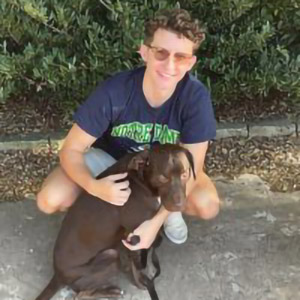




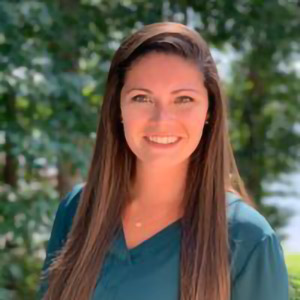
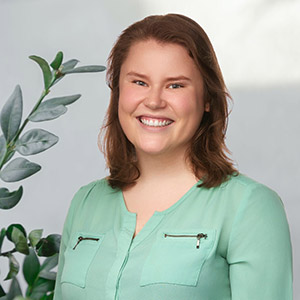

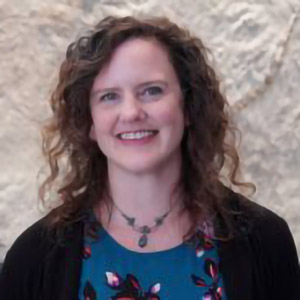



 The Director of Graduate Studies. The DGS will be the student’s first adviser within the Department. He or she will help each new student design a course of studies, answer questions about the program, and, until the selection of a mentor, be the contact person within the Department. Students are expected to set up a meeting with the DGS during each semester’s advising period to plan a schedule of courses for the following semester.